Original Wildlife Paintings: What Makes Them Collectible
Jul 28, 2026
Wildlife art has long captured the beauty, power, and character of animals in their natural environments. While prints make these works more accessible, original wildlife paintings hold a unique place in the art world. Every brushstroke, texture, and detail exists only once, giving collectors the opportunity to own something truly individual.
Whether you're buying your first original painting or adding to an existing collection, it's worth understanding what contributes to a painting's collectibility. Factors such as originality, artistic technique, subject matter, rarity, and provenance all influence how a piece is appreciated over time.
This guide explains what sets original wildlife paintings apart, what collectors typically look for, and how to choose artwork that you'll enjoy for years to come.
What are Original Wildlife Paintings?
Original wildlife paintings are artworks created directly by the artist rather than reproduced through printing. Every layer of paint, brushstroke, and texture is applied by hand, making each painting one of a kind.
Unlike prints, no two originals are exactly alike even when an artist paints the same wildlife subject multiple times. Subtle differences in composition, lighting, color, and technique ensure every painting has its own identity.
For many collectors, this uniqueness is one of the biggest reasons to invest in original artwork.
Explore: Available Originals Collection
Why Collectors Choose Original Wildlife Paintings
Collecting original wildlife paintings isn't simply about decorating a wall. For many buyers, it's about owning a piece of the artist's creative process.
Every original painting reflects decisions made during its creation, from the first sketch to the final highlights. Those choices cannot be replicated exactly, which gives original artwork a level of authenticity that reproductions cannot match.
Collectors are often drawn to original wildlife paintings because they offer:
- One-of-a-kind artwork with no identical copy.
- Visible brushwork and natural texture.
- A direct connection to the artist's creative vision.
- Greater artistic individuality.
- Long-term enjoyment as part of a personal collection.
Unlike artwork produced in large quantities, originals often become conversation pieces because every detail is exclusive to that painting.
What Makes an Original Wildlife Painting Collectible?
Not every original painting is collected for the same reasons. Some buyers focus on the artist, while others are drawn to the subject matter or emotional connection. Several factors typically influence collectibility.
1. Originality
The defining characteristic of an original wildlife painting is that it exists only once. There are no duplicate brushstrokes or identical textures, making each artwork completely unique.
For collectors, this exclusivity often becomes one of the most meaningful aspects of ownership.
2. Artistic Skill and Technique
A collectible painting demonstrates technical ability as well as artistic expression. Collectors often appreciate details such as:
- Realistic wildlife anatomy.
- Natural lighting and depth.
- Strong composition.
- Careful use of color.
- Fine brushwork and texture.
Rather than looking for perfection alone, many buyers appreciate artwork that captures the personality and movement of wildlife.
3. Subject Matter
Certain wildlife subjects consistently appeal to collectors because of their symbolism, beauty, or connection to nature. Popular examples include:
- Bears
- Wolves
- Elk
- Eagles
- Bison and more
Many collectors build themed collections around specific animals or ecosystems, while others choose paintings that reflect places they've visited or wildlife they've encountered.
4. The Artist's Body of Work
Many collectors follow artists whose style, technique, and subject matter remain consistent over time. Understanding an artist's broader portfolio can provide valuable context about their creative approach.
View More: The Artwork
Original Paintings vs. Wildlife Prints
One of the most common questions buyers ask is whether they should invest in an original painting or purchase a wildlife print. The answer depends on your goals.
If you're primarily decorating a home, a high-quality wildlife print may be the right choice. If you value owning a one-of-a-kind artwork created entirely by the artist, an original painting offers a different experience.
Both Original Paintings and Wildlife Prints carry investible value, but often collectors will choose to invest in original artwork to see its value grow over time.
Read More: Wildlife Canvas Prints vs. Original Paintings
Original Artwork Can Also Be Part of Your Home
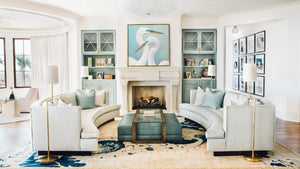
While many people associate original paintings with dedicated collections, they can be just as impactful in everyday living spaces.
A single original wildlife painting can become the focal point of a living room, study, or entryway, adding warmth and personality without overwhelming the space.
If you're looking for ideas on incorporating wildlife artwork into your décor, our guide on Animal Wall Art Ideas shares practical inspiration for styling artwork in different rooms throughout the home.
How Rarity Influences Collectibility
One of the defining characteristics of original wildlife paintings is their rarity. Since each painting exists as a single, hand-created work, ownership is naturally limited to one collector. That exclusivity is part of what makes original artwork appealing.
However, rarity isn't determined by availability alone. Collectors also consider factors such as the artist's body of work, the subject matter, and whether the painting represents a distinctive period or style.
A painting featuring a frequently painted subject can still be highly desirable if it demonstrates exceptional composition, technique, or storytelling.
Rather than asking, "How rare is this painting?", experienced collectors often ask:
- Does this piece represent the artist's style well?
- Is the composition distinctive?
- Does it create an emotional connection?
- Is it a subject I can appreciate for years?
Collectibility often comes from a combination of these qualities rather than a single factor.
Condition Matters More Than Many Buyers Realize
The condition of an original painting plays an important role in preserving its beauty and longevity.
Before purchasing, consider:
- Has the artwork been properly stored?
- Is the canvas or panel free from damage?
- Has the painting been professionally framed?
- Are the colors vibrant and well preserved?
- Has the artwork been exposed to excessive sunlight or moisture?
Even well-made paintings benefit from proper care once they're in your home.
Simple practices such as avoiding direct sunlight, maintaining stable indoor humidity, and handling artwork carefully can help preserve its appearance for decades.
The Importance of Provenance
Collectors often use the term provenance to describe the documented history of an artwork.
While provenance is especially significant for museum-quality and historically important works, it also provides confidence when purchasing contemporary wildlife art.
Documentation may include:
- Artist signatures
- Certificates of authenticity
- Purchase records
- Exhibition history (when applicable)
These records help establish the artwork's origin and provide additional context for future owners.
Tips for Buying Your First Original Wildlife Painting
Purchasing original artwork should feel enjoyable rather than overwhelming. Instead of trying to predict future value, focus on selecting a painting you'll genuinely appreciate.
Here are a few practical guidelines:
1. Buy Artwork You Connect With
The most meaningful collections often begin with artwork that creates a personal connection. Whether it's a favorite animal, a memorable landscape, or a painting that reminds you of time spent outdoors, choosing pieces you enjoy makes collecting more rewarding.
2. Learn About the Artist
Understanding an artist's inspiration, creative process, and techniques adds another layer of appreciation to the artwork.
3. Think About Where the Painting Will Hang
Visualizing the artwork in its future location helps narrow your choices.
Ask yourself:
- Will it become the focal point of the room?
- Does the size suit the wall?
- Does the frame complement the surrounding furniture and finishes?
- Will the lighting enhance the artwork?
Planning ahead often leads to a more satisfying purchase.
4. Consider Long-Term Enjoyment
Unlike trends in home décor, original artwork often remains part of a home for many years.
Rather than choosing artwork because it's currently popular, select a painting you'll continue to appreciate as your space evolves.
Final Thoughts
Original wildlife paintings offer something that reproductions cannot, a direct connection to the artist's vision and creative process. Every painting tells its own story through individual brushstrokes, color choices, and composition, making each piece unlike any other.
For collectors, originality, craftsmanship, and rarity often make these works especially meaningful. For homeowners, an original painting becomes more than wall décor; it becomes a lasting feature of the space and a reflection of personal interests and experiences.
While factors such as condition, provenance, and artistic technique all contribute to a painting's collectibility, the most rewarding purchase is often the one that creates a genuine connection. Whether it's a powerful wildlife portrait, a peaceful woodland scene, or an animal that holds personal significance, choosing artwork that resonates with you is just as important as understanding its artistic qualities.
If you're just beginning your collection, take the time to learn about the artist, consider where the painting will be displayed, and invest in pieces that you'll continue to appreciate for years to come.