Wolf Paintings for Collectors and Wildlife Lovers
Aug 14, 2026
Wolves have a distinctive place in North American wildlife. Their intelligence, social behavior, and ability to adapt to challenging environments have made them a lasting subject for wildlife artists and people who appreciate the natural world.
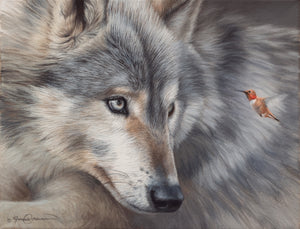
A wolf painting can capture many sides of the animal. It might focus on the expression and detail of a single wolf, show a pair moving through the wilderness, wolf pups playing, or place a pack within its natural landscape.
For collectors and wildlife lovers, the appeal often goes beyond decoration. A meaningful painting can reflect an appreciation for the animal, its habitat, and the wild landscapes associated with it.
What Makes a Good Wolf Painting?
A compelling wolf painting combines accurate wildlife detail with strong composition and a convincing sense of the animal's natural environment. The strongest pieces capture more than physical appearance, they give the viewer a sense of the wolf's character, movement, or place within the landscape.
Several elements contribute to this:
- Accurate anatomy and natural posture.
- Expressive eyes and facial detail.
- Convincing fur texture.
- Thoughtful composition.
- A setting that complements the animal.
- A clear sense of movement or atmosphere.
The result can range from an intimate wolf portrait to a broad wilderness scene, giving collectors plenty of ways to connect with the subject.
Why Wolves Make Compelling Subjects for Wildlife Art
Wolves give wildlife artists a particularly versatile subject. Their appearance, behavior, and relationship with their surroundings can all become part of the composition.
Common approaches to wolf art include:
- Portraits: Focus on the wolf's expression, eyes, and physical detail.
- Solitary scenes: Show a single animal moving through or observing its surroundings.
- Pack scenes: Capture social behavior and the relationship between individual wolves.
- Wilderness scenes: Place wolves within forests, mountains, snow, or other North American landscapes.
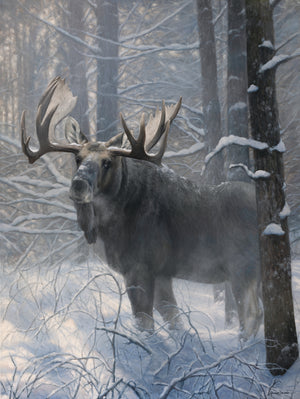
The setting can change the character of the artwork just as much as the animal itself. A wolf surrounded by a quiet winter landscape creates a very different impression from a pack moving through an expansive wilderness.
What to Look for in a Wolf Painting
If you're considering a wolf painting for your home or collection, look beyond the subject itself.
1. Wildlife Detail
Strong wildlife artwork pays attention to anatomy, proportions, fur, posture, and natural behavior. These details help the wolf feel like a living animal rather than simply a decorative subject.
Look closely at:
- Facial structure and expression.
- Body proportions.
- Fur texture.
- Ear and tail position.
- Interaction between the animal and its surroundings.
2. Composition
Look at how the artist directs attention through positioning, perspective, light, and the surrounding landscape. A strong composition gives the wolf a clear role within the scene without making the background feel incidental.
3. Sense of Place
A wolf painting can become more distinctive when its environment contributes to the story. Snow-covered forests, rocky mountains, open plains, and northern wilderness can provide context for the animal while connecting the artwork to the landscapes it inhabits.
For a broader selection of wildlife from the region, see the North American Wildlife collection.
4. Original Paintings vs. Prints
If you're buying wolf art, one of the first decisions is whether you want an original painting or a reproduction.
An original painting is a one-of-a-kind artwork created directly by the artist. Brushwork, texture, and other details exist only in that individual piece.
A wolf print reproduces an existing artwork, making the image available in different formats and price points.
|
If You Value |
Consider |
|
One-of-a-kind artwork |
Original painting |
|
Visible brushwork and texture |
Original painting |
|
A specific image in a reproduction |
|
|
Adding multiple wildlife pieces to a collection |
Prints or originals |
|
Owning the artist's original work |
Original painting |
If you're specifically looking for wolf artwork, you can view the current wolf collection.
If you're deciding between the two formats, see Wildlife Canvas Prints vs. Original Paintings for a more detailed comparison.
Why Wolf Paintings Appeal to Collectors
Wolves have a strong connection to North American wilderness, which makes them particularly meaningful to collectors interested in the region's wildlife.
Their social behavior also gives artists opportunities to portray very different moments, from a solitary animal moving through the landscape to a pack interacting together.
For collectors, the appeal may come from the subject itself, the artist's interpretation, or a personal connection to wolves and the places they inhabit.
If you're considering an original, our guide Original Wildlife Paintings: What Makes Them Collectible explains the broader factors collectors consider when evaluating original wildlife artwork.
Final Thoughts
A good wolf painting gives you more than an image of an animal. It captures a particular moment, landscape, or expression that makes you pause and look again.
Whether you're drawn to wolves because of their connection to North American wilderness or simply appreciate their presence and character, choose artwork that feels meaningful to you. That personal connection is what can make a piece worth living with and, for collectors, worth adding to a collection.