Wildlife Wall Art and Animal Wall Art Ideas for Nature-Inspired Homes
Jul 15, 2026
Animal wall art has long been a popular choice for homeowners who want to bring a sense of nature indoors. From majestic wildlife portraits to detailed landscape scenes featuring native animals, the right artwork can create visual interest while reflecting a personal connection to the outdoors.
Whether you're decorating a mountain retreat, a modern home, a rustic cabin, or simply adding character to a single room, wildlife wall art offers a timeless way to incorporate nature-inspired design. This guide covers practical animal wall art ideas, room-by-room recommendations, styling tips, and common mistakes to avoid.
Why Animal and Wildlife Wall Art Remains Popular
Wildlife artwork connects people with landscapes, memories, and experiences that often hold personal meaning. Unlike trend-driven décor, wildlife subjects have lasting appeal because they reflect the natural world.
Benefits of wildlife wall art include:
- Creates a focal point within a room.
- Adds texture and visual depth.
- Works with both traditional and contemporary interiors.
- Complements natural materials such as wood and stone.
- Reflects personal interests and outdoor lifestyles.
For homeowners interested in the craftsmanship behind fine wildlife artwork, consider linking to The Artwork page.
Wildlife Wall Art Ideas by Room
1. Living Room
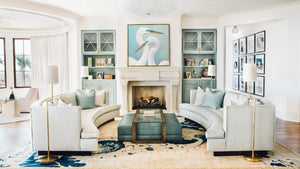
The living room is often the ideal place for larger animal wall art pieces. Consider:
- A large elk or bear portrait above a fireplace.
- African wildlife artwork above a sofa.
- Multi-panel wildlife scenes for larger walls.
- Black-and-white wildlife photography for contemporary spaces.
Large-scale artwork creates a strong focal point without requiring multiple decorative elements.
2. Bedroom
Bedrooms benefit from calmer wildlife imagery that contributes to a relaxed atmosphere. Popular options include:
- Deer artwork.
- Bird illustrations.
- Woodland wildlife scenes.
- Mountain landscapes featuring native animals.
Choose artwork with colors that complement existing bedding and furnishings.
3. Home Office
Animal wall art can add character to a workspace without becoming distracting. Good choices include:
- Eagle artwork.
- Wolf portraits.
- Minimalist wildlife prints.
- Framed animal sketches.
These subjects often create a sense of focus while maintaining a professional appearance.
4. Entryways and Hallways
Smaller framed wildlife prints work especially well in transitional spaces. Gallery wall ideas include:
- Regional wildlife collections.
- Black-and-white animal studies.
- Mixed-size wildlife artwork arrangements.
- Seasonal wildlife themes.
Wildlife Wall Art Ideas by Interior Design Style
1. Rustic and Cabin Interiors
Rustic spaces naturally pair well with wildlife art. Recommended subjects:
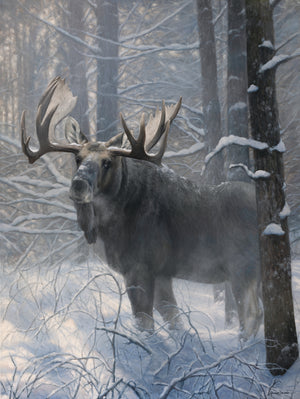
- Moose
- Elk
- Bears
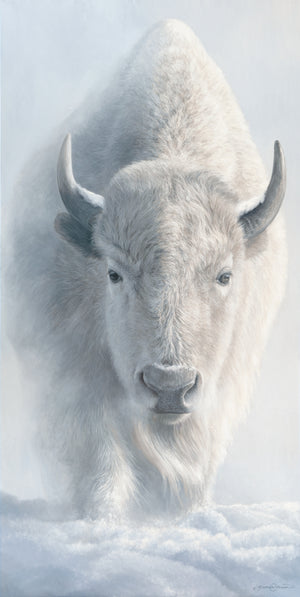
- Bison
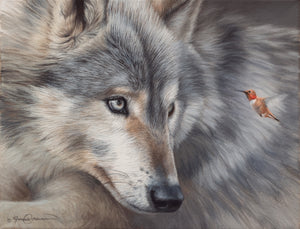
- Wolves
Wood frames and earth-toned palettes help create a cohesive look.
2. Modern Nature-Inspired Homes
Modern interiors often benefit from simpler compositions. Look for:
- Minimalist animal portraits
- High-contrast wildlife photography
- Large single-subject artwork
- Neutral color palettes
3. Traditional Homes
Traditional spaces generally work best with detailed wildlife paintings and classic framing styles. Popular choices include:
- Wildlife landscapes
- Hunting lodge-inspired artwork
- Birds and waterfowl
- Historical wildlife scenes
4. Safari-Inspired Interiors
Safari-inspired spaces continue to be popular among homeowners seeking a bold yet sophisticated aesthetic.
Artwork featuring lions, elephants, leopards, rhinos, and giraffes can help establish this look. African wildlife art often works particularly well alongside natural textures such as leather, wood, linen, and stone.
Wildlife Themes That Work Well Together
Rather than mixing unrelated animal subjects, consider grouping artwork by theme. Examples include:
North American Wildlife
- Bears
- Elk
- Moose
- Wolves
- Bison
Explore: North American Wildlife Art Collection
African Wildlife
- Lions
- Elephants
- Leopards
- Rhinos
- Zebras
Explore: African Wildlife Art Collection
Birds of Prey
- Eagles
- Hawks
- Falcons
- Owls
Woodland Wildlife
- Foxes
- Deer
- Rabbits
- Wolves
- Squirrels
Explore: Wildlife Art Collection
How to Choose the Right Wildlife Wall Art
When selecting animal wall art, consider the following factors:
1. Scale: A common mistake is choosing artwork that is too small for the available wall space. As a general guideline:
- Large walls: Oversized statement pieces.
- Medium walls: One primary artwork or paired pieces.
- Small walls: Smaller framed wildlife prints.
2. Color Palette: Look for artwork that complements existing room colors rather than competing with them.
3. Subject Matter: Choose animals that have personal significance or align with the home's location and style.
4. Frame Style: Frame selection can dramatically affect the final presentation. Examples:
- Natural wood for rustic spaces.
- Black floating frames for modern interiors.
- Traditional frames for classic homes.
Common Animal Wall Art Mistakes to Avoid
- Choosing artwork that is too small.
- Ignoring existing room colors.
- Overcrowding gallery walls.
- Mixing too many unrelated wildlife themes.
- Hanging artwork too high.
Keeping these considerations in mind helps create a more balanced and intentional display.
Final Thoughts
Animal wall art and wildlife wall art offer a practical way to bring elements of nature into the home while creating visual interest and personality. Whether your style leans rustic, traditional, contemporary, or safari-inspired, selecting artwork that fits the room, scale, and overall design aesthetic will create a more cohesive result.
Thoughtful wildlife artwork can become a lasting focal point that reflects both personal taste and an appreciation for the natural world.