Framed Wildlife Art for Collectors and Decorators
Jul 28, 2026
Framed wildlife art does more than fill an empty wall. It adds character to a room, reflects personal interests, accents home decor, and showcases an appreciation for nature and craftsmanship. Whether you're purchasing your first wildlife print or adding an original painting to an established collection, the right frame plays an important role in both presentation and preservation.
For decorators, framing helps artwork complement the style of a room while creating a polished, finished look. For collectors, it protects the artwork and enhances its long-term appeal. Understanding how framing, artwork type, and display choices work together makes it easier to invest in pieces you'll enjoy for years.
This guide explains the differences, highlights what to look for when buying framed wildlife art, and shares practical tips to help you choose artwork that fits your space and collecting goals.
Why Choose Framed Wildlife Art?
Wildlife artwork captures the beauty of animals and natural landscapes, but the frame is what completes the presentation. A well-chosen frame draws attention to the artwork without distracting from it while protecting it from dust, and everyday wear.
Unlike unframed pieces, framed wildlife art is ready to hang and can easily become the focal point of a room. Whether the artwork features a majestic elk, an African lion, or a soaring eagle, the frame helps establish the overall style.
Some of the key benefits include:
- Provides a finished, gallery-quality presentation.
- Protects artwork from environmental damage.
- Makes artwork easier to display and maintain.
- Complements both traditional and contemporary interiors.
- Helps preserve the artwork for years to come.
For buyers investing in fine art, framing is also part of protecting the value of the piece. High-quality materials and proper mounting techniques help maintain the artwork's condition over time.
Framed Wildlife Art for Collectors
Collectors often look beyond the image itself. They consider the story behind the artwork, the artist's process, edition size, and overall craftsmanship. In these cases, framing is more than a decorative element, it's part of preserving the artwork.
When purchasing original wildlife paintings or limited edition pieces, consider:
1. Original Artwork: Original paintings offer something no reproduction can replicate. Every brushstroke, texture, and detail is created by the artist, making each piece unique.
Explore: Wildlife Art Collection
2. Limited Editions: Limited edition wildlife prints combine accessibility with exclusivity. Because only a fixed number of prints are produced, they often appeal to buyers who want artwork with collectible value without purchasing an original painting.
Explore: Limited Edition Prints collection
3. Quality Matters: Collectors often pay close attention to:
- Archival printing methods
- Premium framing materials
- Acid-free mats
- UV-protective glazing
- Artist signatures and certificates of authenticity (when applicable)
These details help preserve both the artwork and its presentation over time.
Framed Wildlife Art for Home Decorators
Not every purchase is made with collecting in mind. Many homeowners choose framed wildlife art because it creates a welcoming atmosphere and reflects their appreciation for nature.
One of the advantages of wildlife artwork is its versatility. It works equally well in rustic cabins, contemporary homes, mountain retreats, traditional interiors, and even minimalist spaces when paired with the right frame.
Here are a few ways to incorporate framed wildlife art throughout your home:
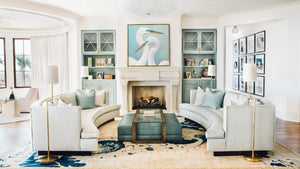
1. Living Room: A large framed wildlife print above the sofa or fireplace naturally becomes the focal point of the room. Subjects such as bears, wolves, elephants, or lions work well as statement pieces.
2. Office: Wildlife art can bring warmth and personality to a workspace without feeling distracting. Black-and-white wildlife prints or detailed illustrations pair well with modern office furniture.
3. Bedroom: Choose artwork with softer tones or peaceful wildlife scenes, such as deer, birds, or woodland landscapes. These subjects create a calm visual environment while adding interest to the walls.
4. Entryway: The entryway offers an opportunity to make a strong first impression. A single framed wildlife artwork positioned above a console table can establish the style of the home before guests enter the main living space.
Why Framed Artwork Feels More Finished
While canvas pieces have their own appeal, framing often gives wildlife artwork a more refined appearance. It creates a clear visual boundary around the artwork, helping it stand out against the wall while tying it into the room's décor.
The frame also allows homeowners to coordinate artwork with furniture finishes, flooring, cabinetry, and architectural details, creating a more cohesive interior.
How to Choose the Right Frame for Wildlife Art
The right frame should complement the artwork without competing for attention. While personal preference plays a role, the subject matter, room style, and size of the artwork should all influence your decision. Before choosing a frame, consider:
- The style of your home
- The colors within the artwork
- The size of the wall
- Natural and artificial lighting
- Whether the piece is a print or an original painting
A thoughtfully selected frame helps the artwork feel like part of the room rather than something added as an afterthought.
Best Frame Materials and Finishes
Different frame materials create different visual effects. Choosing the right one helps tie the artwork into the rest of your décor.
1. Natural Wood Frames: Wood frames remain one of the most popular choices for framed wildlife art. Their organic texture complements wildlife subjects and works well with rustic, farmhouse, lodge, and traditional interiors.
Best for:
- Woodland scenes
- North American wildlife
- Cabins and mountain homes
- Warm, earthy interiors
2. Black Frames: Simple black frames create a clean border around the artwork and suit contemporary spaces. They draw attention to the artwork without overpowering it.
Best for:
- Modern homes
- Black-and-white wildlife artwork
- Minimalist interiors
- Home offices
3. Walnut and Dark Wood Frames: Walnut frames add warmth while maintaining a refined appearance. They pair beautifully with detailed wildlife paintings and richer color palettes.
Best for:
- Formal living rooms
- Libraries
- Traditional homes
- Collector displays
4. Metallic Frames: Brushed gold, bronze, or silver frames can add subtle sophistication when used thoughtfully. They're often best suited to contemporary interiors with clean lines.
Best for:
- Contemporary homes
- Accent walls
- Smaller framed wildlife prints
Original Paintings or Framed Prints- Which One Should You Choose?
Many buyers wonder whether they should invest in an original painting or choose a framed print. Both have their place, depending on your goals.
|
Framed Prints |
Original Paintings |
|
More budget-friendly |
One-of-a-kind artwork |
|
Available in multiple sizes |
Unique brushwork and texture |
|
Easier to build a gallery wall |
Appeals to collectors |
|
Consistent appearance |
Every piece is unique |
|
Great for decorating |
Long-term collectible potential |
If you're looking for a truly unique artwork, this is a natural place to link to your Available Originals collection.
For buyers comparing different print options, you can also naturally reference:
Limited Edition Prints, for those looking for greater exclusivity.
Open Edition Prints, for decorating multiple spaces while maintaining affordability.
First in Series Prints, for collectors seeking early releases from an edition.
Related Read: Wildlife Canvas Prints vs. Original Paintings
Final Thoughts
Framed wildlife art offers more than decorative appeal—it brings together craftsmanship, personal expression, and a lasting appreciation for nature. Whether you're selecting a limited edition print for your living room or investing in an original painting for your collection, the right frame enhances both the artwork and the space around it.
For collectors, quality framing helps preserve artwork while showcasing its finer details. For homeowners, it provides a polished, ready-to-display piece that complements different interior styles. By considering the artwork, frame material, room, and display location together, you can choose a piece that feels intentional and continues to suit your home over time.
Whether your preference is a striking wildlife portrait or a peaceful landscape featuring animals in their natural habitat, framed wildlife art offers options for every style, room, and budget.